Michigan Department of Natural Resources sent this bulletin at 05/22/2025 09:54 AM EDT
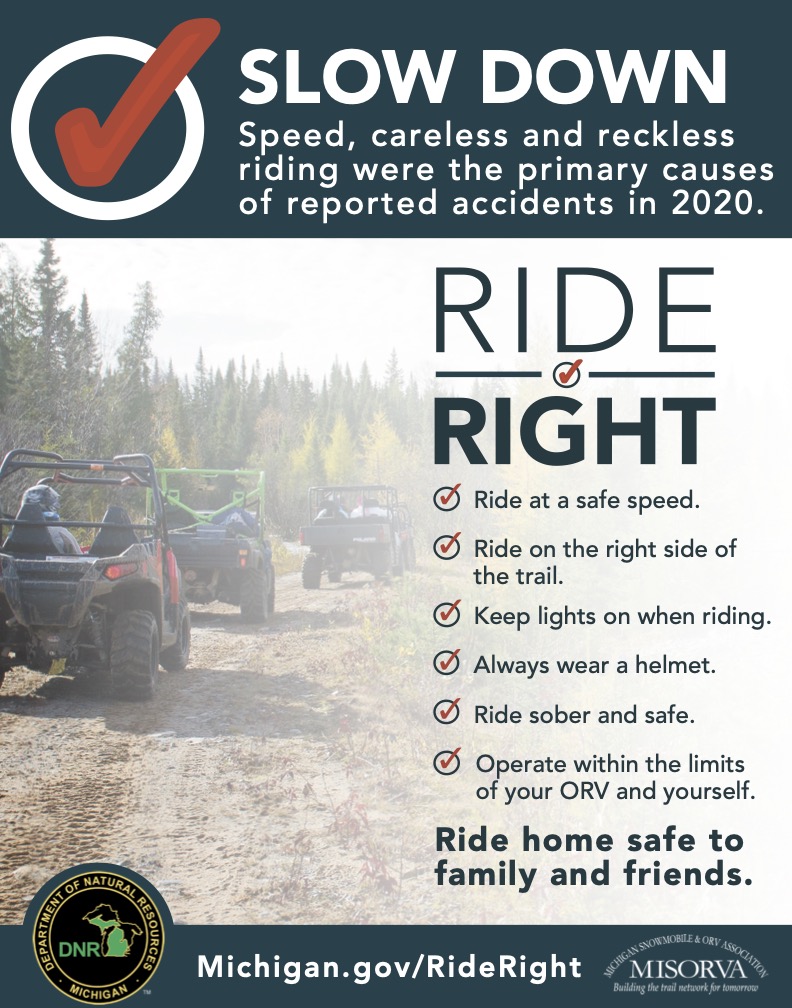
Share or view as webpage | Update preferences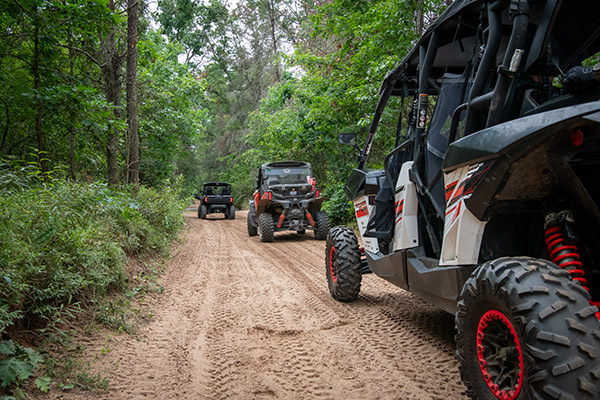 Be aware, ‘Ride Right’ for safe, responsible, off-road funAs off-road vehicle riding ramps up during Memorial Day weekend and throughout summer, it’s vital to keep safety top of mind. And following the massive March 28-30 ice storm in northern Michigan – a popular spot for ORV riding – it’s critical to “know before you go” when visiting the 12 affected counties.Please know that northern Michigan’s landscape may look different with more open spaces, damaged trees and natural debris.Storm-related closuresPlease respect all nonmotorized and motorized trail closures. If you’re visiting a reopened trail, stay on the trail corridor itself due to potential hazards in the surrounding forest, including numerous leaning trees and hanging tree limbs.Visit the ice storm response dashboard with the latest status (open, partially open, temporarily closed) of state parks, state-managed trails, boating access sites and state forest campgrounds. Find an interactive map, safety updates and more on the DNR’s ice storm response page.Ride RightAccording to 2023 statewide ORV crash data, 93% of ORV fatalities could have been prevented. These crashes and injuries were the result of excessive speed and a lack of helmet/seat belt use. Be aware, ‘Ride Right’ for safe, responsible, off-road funAs off-road vehicle riding ramps up during Memorial Day weekend and throughout summer, it’s vital to keep safety top of mind. And following the massive March 28-30 ice storm in northern Michigan – a popular spot for ORV riding – it’s critical to “know before you go” when visiting the 12 affected counties.Please know that northern Michigan’s landscape may look different with more open spaces, damaged trees and natural debris.Storm-related closuresPlease respect all nonmotorized and motorized trail closures. If you’re visiting a reopened trail, stay on the trail corridor itself due to potential hazards in the surrounding forest, including numerous leaning trees and hanging tree limbs.Visit the ice storm response dashboard with the latest status (open, partially open, temporarily closed) of state parks, state-managed trails, boating access sites and state forest campgrounds. Find an interactive map, safety updates and more on the DNR’s ice storm response page.Ride RightAccording to 2023 statewide ORV crash data, 93% of ORV fatalities could have been prevented. These crashes and injuries were the result of excessive speed and a lack of helmet/seat belt use. All ORV operators are urged to “Ride Right” and keep this important guidance in mind:Ride at a safe speed.Ride sober.Ride on the right side of the trail.Keep lights on when riding.Always wear a helmet.Do your part to ensure everyone returns home safely; read more about ORV safety at Michigan.gov/RideRight. For more on state ORV laws and where to ride, visit Michigan.gov/ORVInfo.Following a severe ice storm in northern Michigan, the Department of Natural Resources is assessing damage and conducting cleanup at several state parks, state park campgrounds, state forest campgrounds, boating access sites and state-managed trails. Find up-to-date information about closures, volunteer opportunities and more on the DNR storm recovery page. All ORV operators are urged to “Ride Right” and keep this important guidance in mind:Ride at a safe speed.Ride sober.Ride on the right side of the trail.Keep lights on when riding.Always wear a helmet.Do your part to ensure everyone returns home safely; read more about ORV safety at Michigan.gov/RideRight. For more on state ORV laws and where to ride, visit Michigan.gov/ORVInfo.Following a severe ice storm in northern Michigan, the Department of Natural Resources is assessing damage and conducting cleanup at several state parks, state park campgrounds, state forest campgrounds, boating access sites and state-managed trails. Find up-to-date information about closures, volunteer opportunities and more on the DNR storm recovery page. |
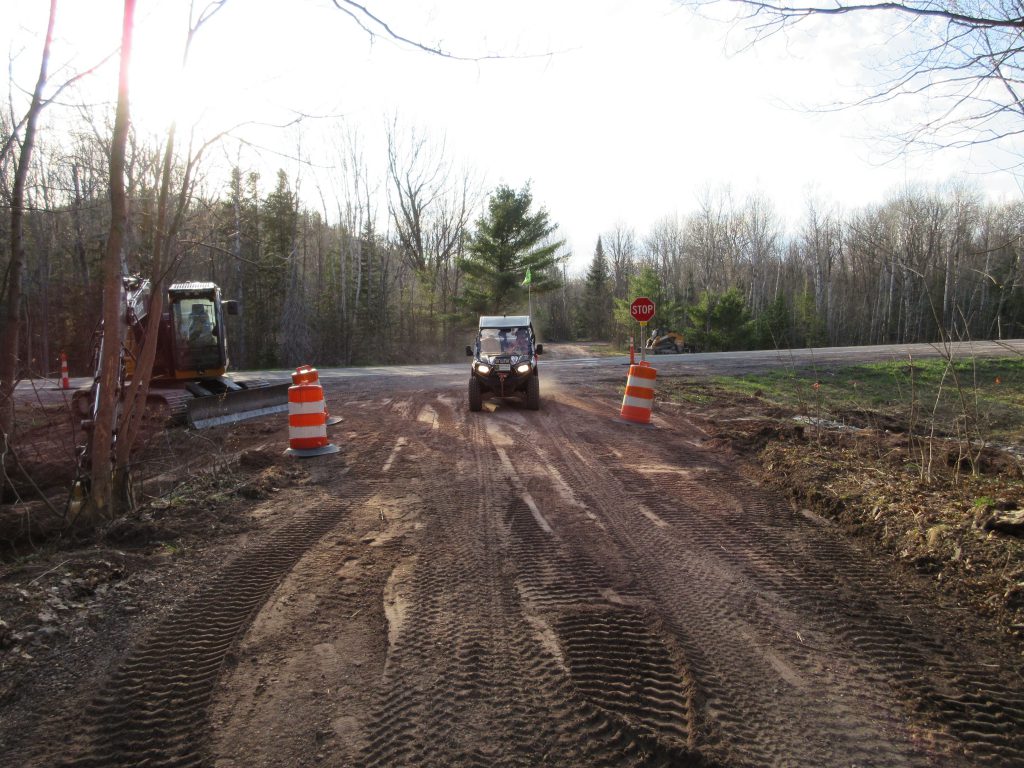
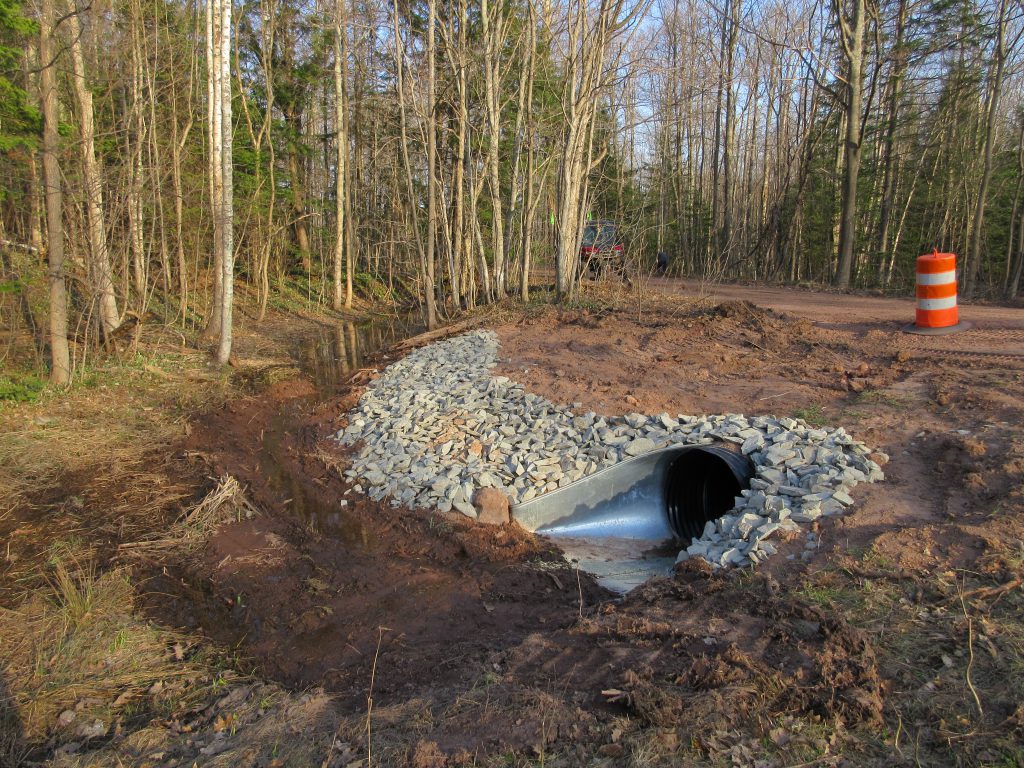
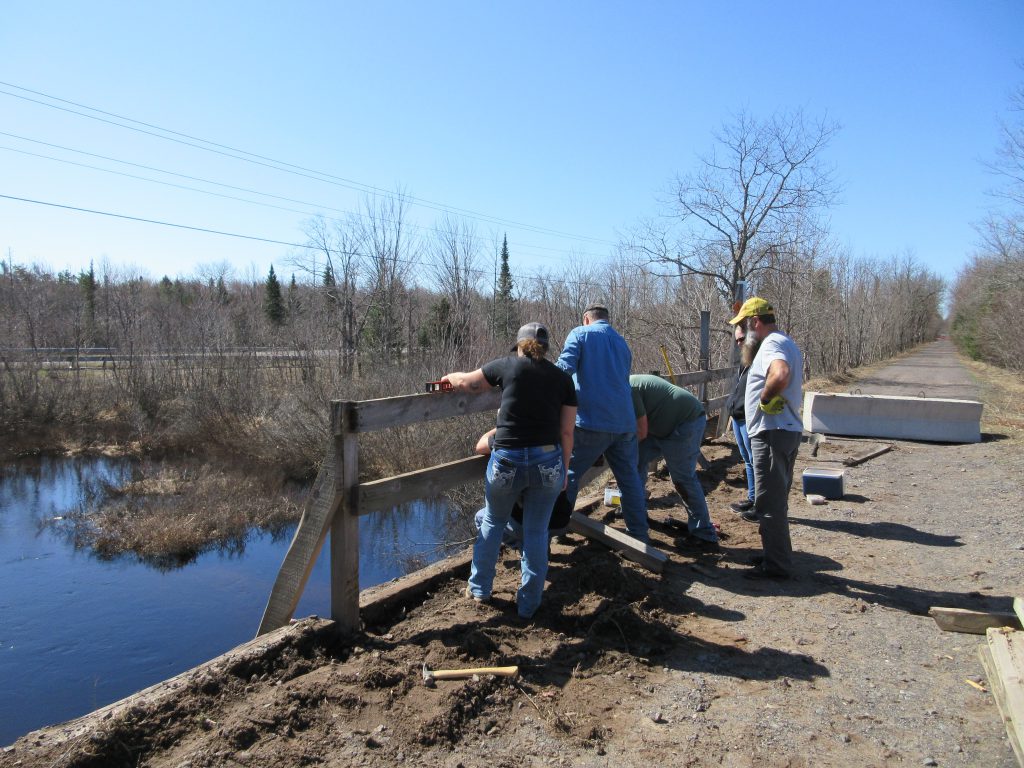
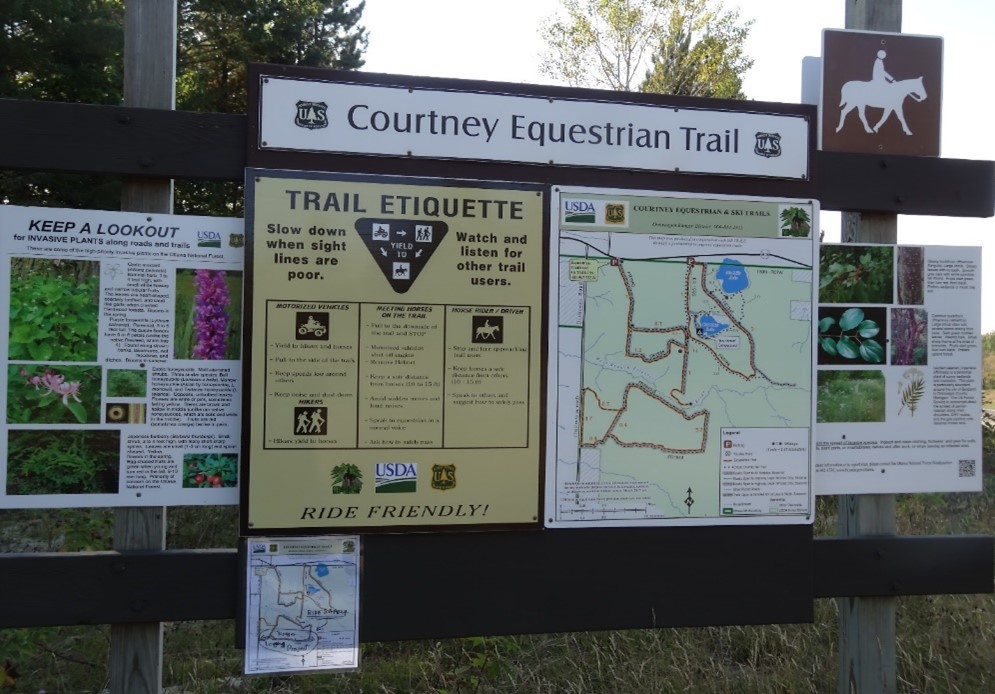
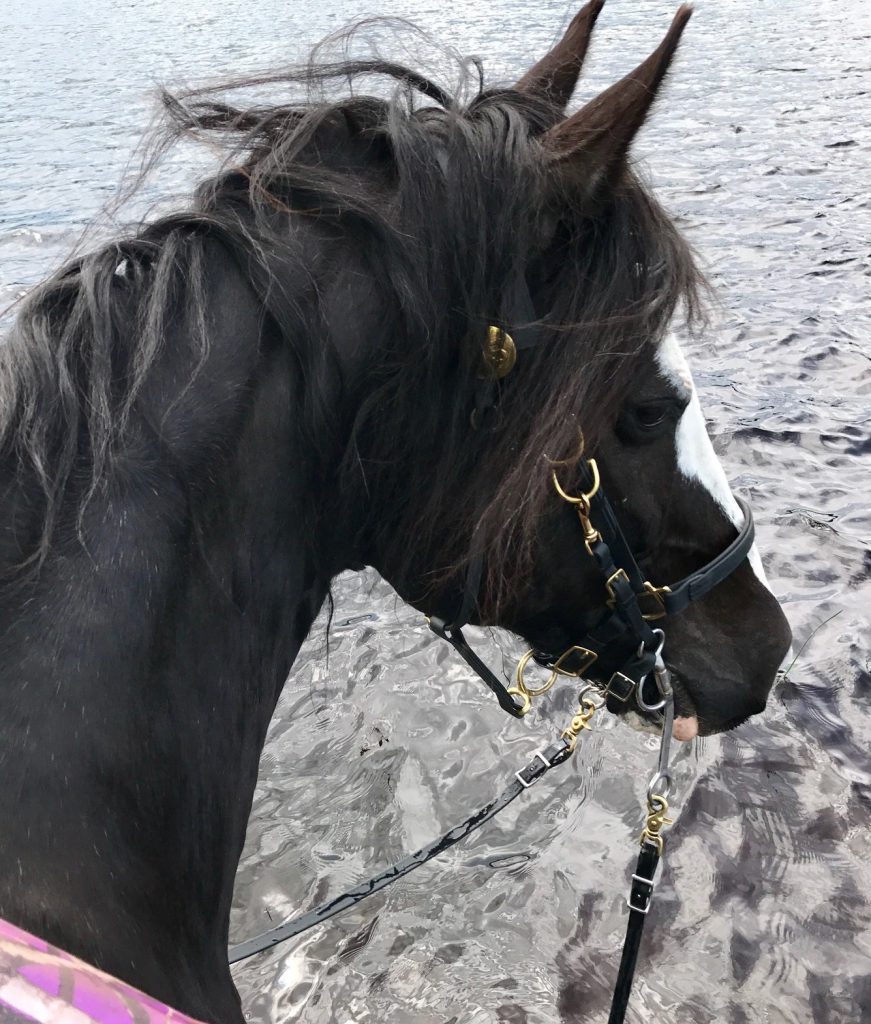
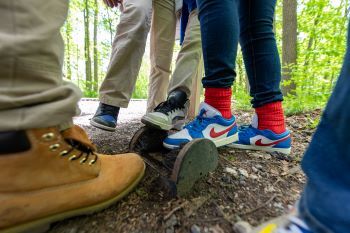
 On every outdoor adventure remember to:Clean footwear with a boot brush.Remove invasive plants and dispose properly.Pick seeds and burrs off clothes and gear.Clean mud and seeds from dogs and horses.Hose off bikes or all-terrain vehicles with water or compressed air.Clean, drain and dry boats, and dispose of any invasive plants.Don’t move firewood; buy it where you burn it.”PlayCleanGo Awareness Week is about more than just spreading awareness – it’s about taking meaningful action to protect our environment,” added Teagan Wilmot, North American Invasive Species Management Association education and prevention manager. “Together, we can make a difference and stop invasive species in their tracks.