Saturday, June 29, 2024
9 AM – 3 PM
Where: Meet at:
Hamilton’s North Coast Adventures 28905 L P Walsh Rd Ontonagon, MI
(46.74750, -89.46963)
W3W: charismatic.sketch.dished
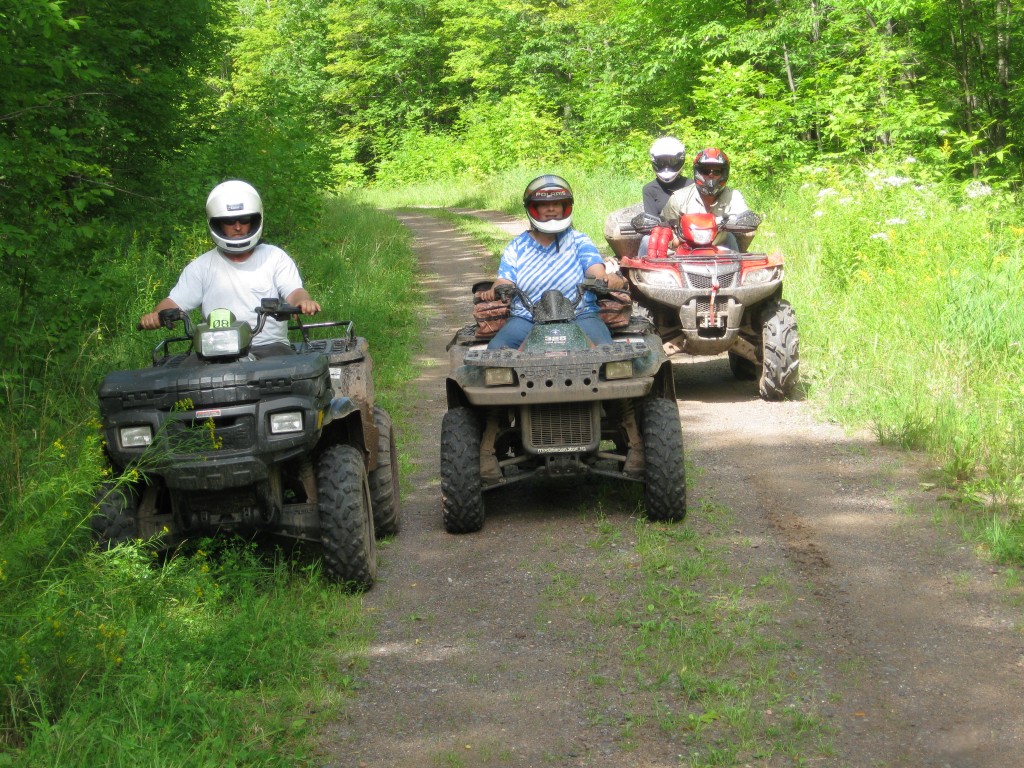
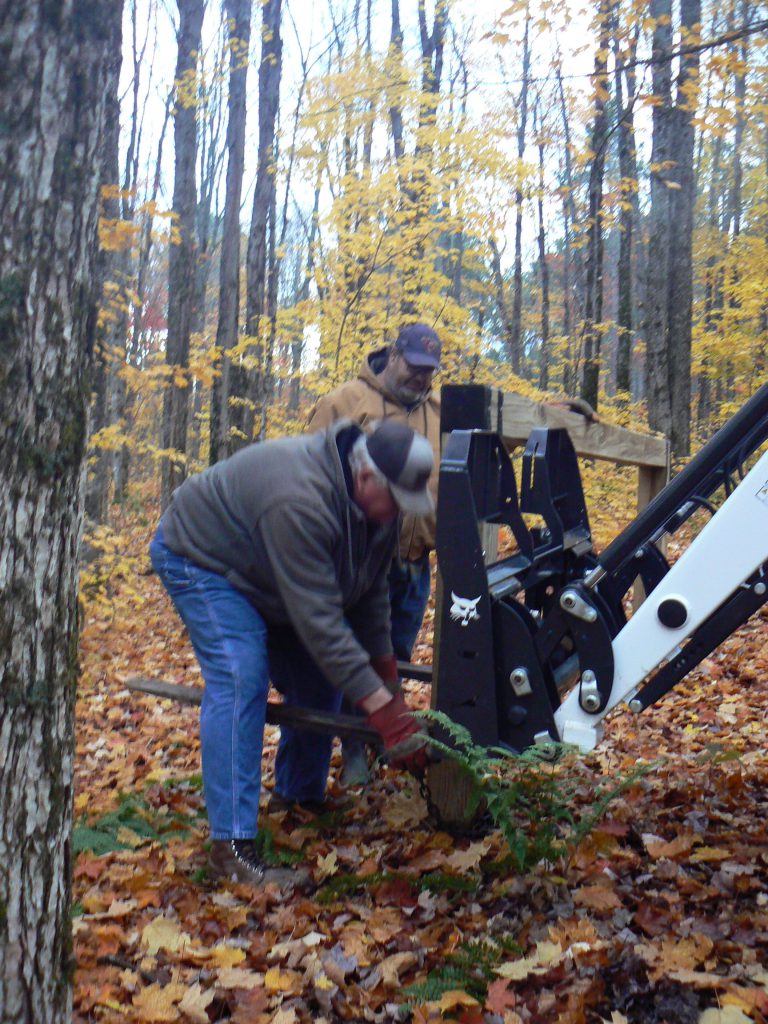
Join Tread Lightly! & OnX Offroad to Do Your Part to #ProtectTheAdventure and #ProtectTheFun during our Tread Lightly! Day Michigan event for a cleanup project in the Ottawa National Forest.
What to bring: Long Pants, closed toe shoes, safety glasses, sunscreen, bug spray, headnets, metal tine rake, scoop shovel, work gloves, snacks and water
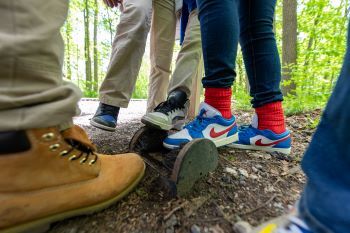
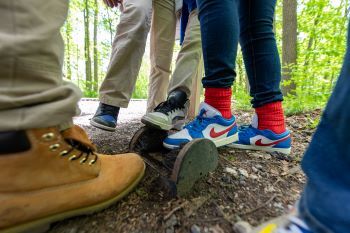 On every outdoor adventure remember to:Clean footwear with a boot brush.Remove invasive plants and dispose properly.Pick seeds and burrs off clothes and gear.Clean mud and seeds from dogs and horses.Hose off bikes or all-terrain vehicles with water or compressed air.Clean, drain and dry boats, and dispose of any invasive plants.Don’t move firewood; buy it where you burn it.”PlayCleanGo Awareness Week is about more than just spreading awareness – it’s about taking meaningful action to protect our environment,” added Teagan Wilmot, North American Invasive Species Management Association education and prevention manager. “Together, we can make a difference and stop invasive species in their tracks.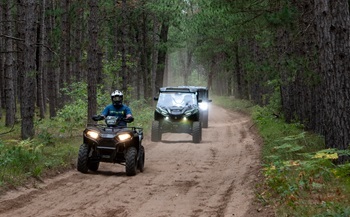
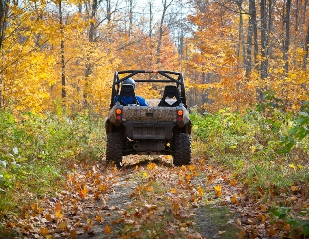
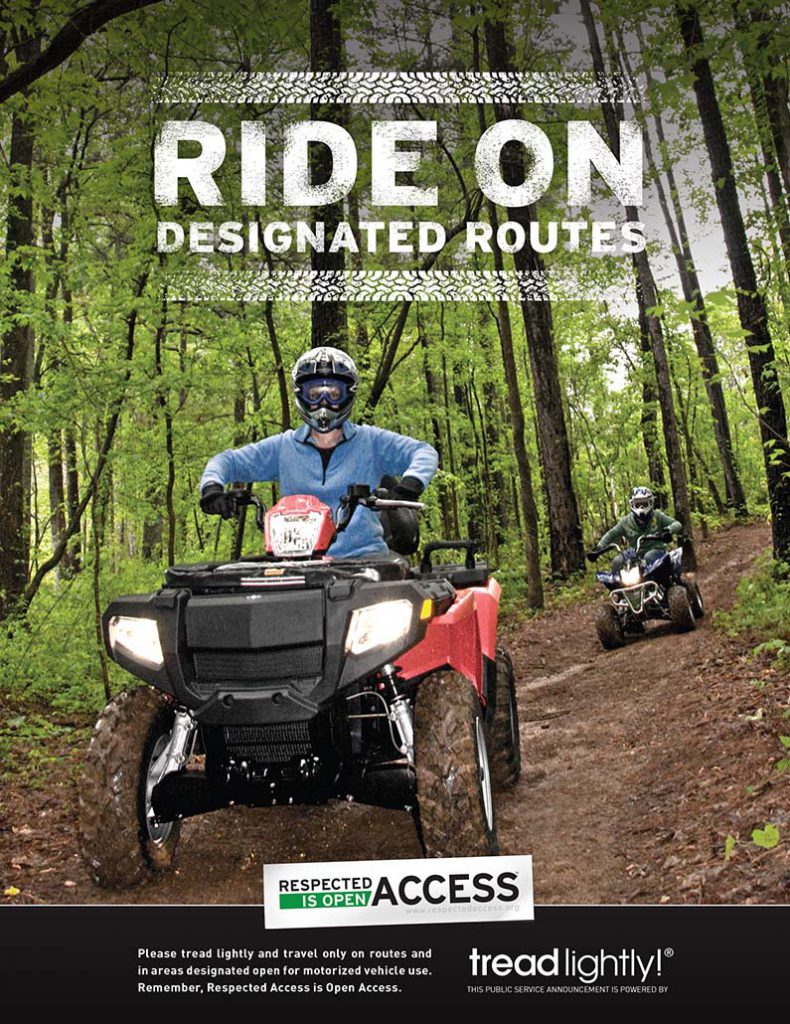
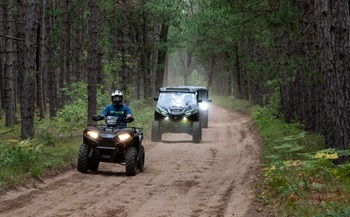 Off-road vehicles are fun year-round, but ORV activity ramps up in spring and summer as people head to Michigan trails and ORV scramble areas to enjoy world-class riding experiences. Keeping safety in mind is vital on any ride, for you and others. According to 2023 statewide ORV crash data, 93% of ORV fatalities could have been prevented. These crashes were primarily due to excessive speed and a lack of helmet/seat belt use.“Always ride within your and the machine’s capabilities,” said Cpl. Mike Hearn, DNR law enforcement ORV and snowmobile specialist. “When operators ride too fast, they are more likely to lose control when they hit even the smallest bump, try to make turns or stop. Riding sober and at a safe speed are the best ways to stay safe.” All ORV operators are urged to “Ride Right” and keep this important guidance in mind: Operate within the limits of your ORV and your own capabilities. Ride at a safe speed. Ride sober. Ride on the right side of the trail. Keep lights on when riding. Always wear a helmet. Do your part to ensure everyone returns home safely; read more about ORV safety at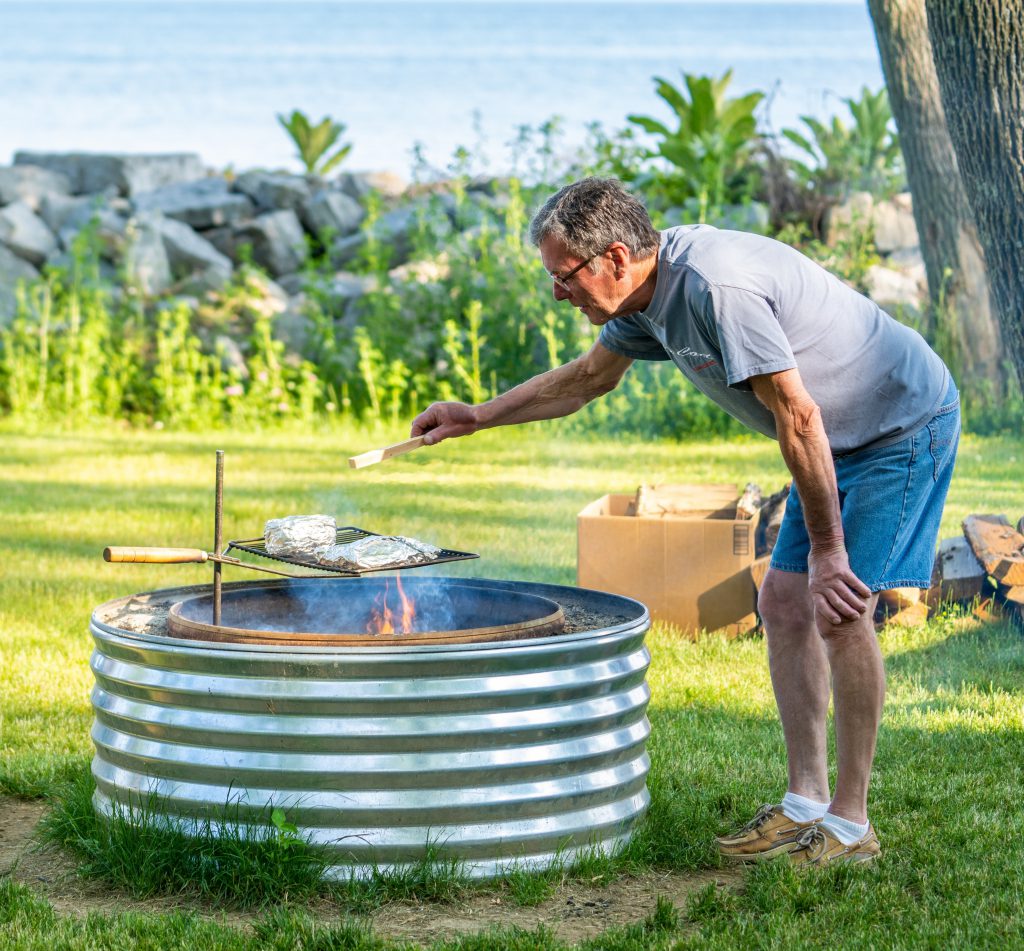
 Summer is the season of grills, campfires, sparklers and fireworks, and with hotter, dryer weather comes fire season. To protect people, wildlife and landscapes, it’s important to follow fire safety tips and be prepared in case your fire does something unpredictable. Here are some basic safety guidelines: When making a campfire, build it in a ring or pit. Never leave a fire unattended, even for a moment. When you’re done, douse your fire thoroughly with water, stir and douse again.When using fireworks, keep a hose handy and make sure to soak used sparklers in water before discarding them. Never shoot fireworks into dry grass, brush or trees. When barbecuing, never leave the grill unattended and keep a water source nearby.If you are planning work, not play, for your holiday weekend, make sure your yard cleanup is safe. When towing trailers or equipment, ensure tow chains don’t drag and cause sparks, and avoid using heavy machinery like lawnmowers in dry areas. Always keep a water source handy.Debris burning is the top cause of wildfires in Michigan. Check whether burn permits are being issued or if weather conditions allow for safe burning before you burn. Check the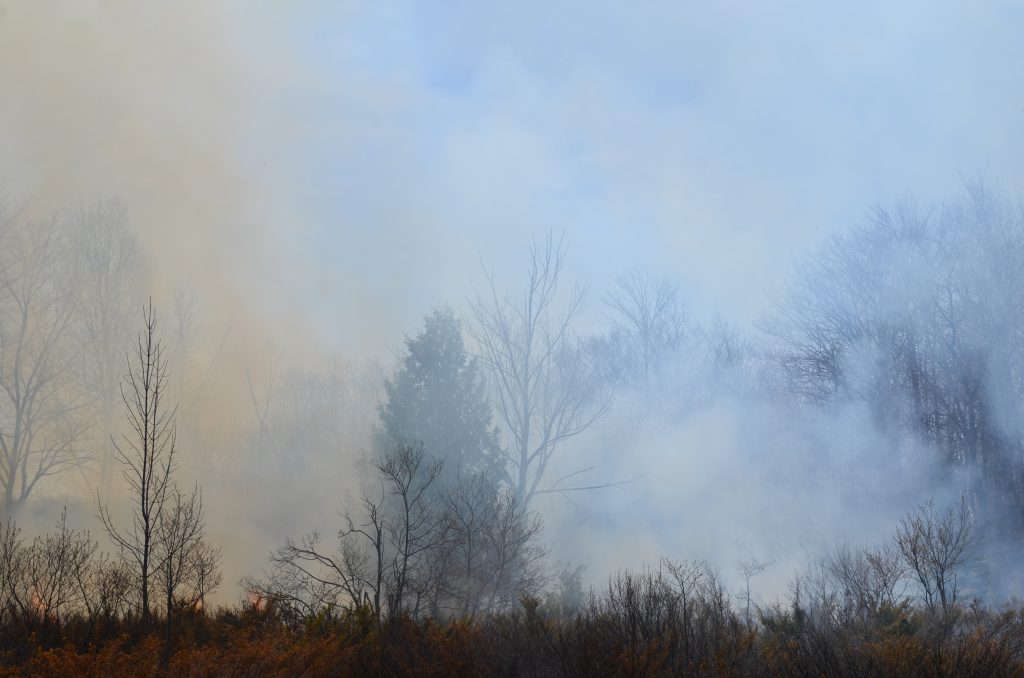
 The 2024 North American wildfire season is underway and warmer weather is increasing the risk of higher ozone levels.In case you missed it, the Michigan Department of Health and Human Services is suggesting Michigan residents take steps to protect themselves from risks related to poor air quality.Monitor the
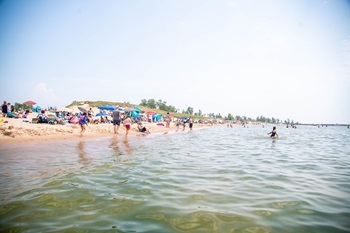 Summer temperatures are here, and the water is calling! Many state parks, but not all, offer swim areas identified by buoys or markers, a beach flag warning system and water depth less than 5 feet at the time of installation. Before you jump in, make sure to keep safety in mind, especially on big water. Remember the Great Lakes are large, powerful water systems that hold more than 20% of the world’s fresh water. Strong currents can catch even the most experienced swimmer off guard.To keep everyone safe, follow these must-know tips: Check weather conditions and beach flags in buoyed swim areas (double-red flags = water access closed, red flag = high hazard, yellow flag = medium hazard, green flag = low hazard). By law, you cannot enter the water from the beach when double-red flags are flying or if otherwise directed. Choose buoyed swim areas located in state parks. Swim areas offer additional safety measures and visual cautions. It’s important to note that not all state parks have designated swim areas. Never swim alone, especially children. Keep close watch on children and weaker swimmers: Stay within arm’s reach, have them wear U.S. Coast Guard-approved life jackets, be conscious of their limits and take breaks frequently. Be aware of water temperatures. Water can be much colder than the ambient air temperature might suggest, especially in larger bodies of water like the Great Lakes. Sudden immersion and/or sustained time in cold water can cause cold shock, making it hard to breathe and increasing your risk of drowning.Learn more about these beach safety tips, including information about the benefits of buoyed swim areas, the beach flag warning system, how to spot (and escape) Great Lakes currents and more at

 Sept. 19, 2023
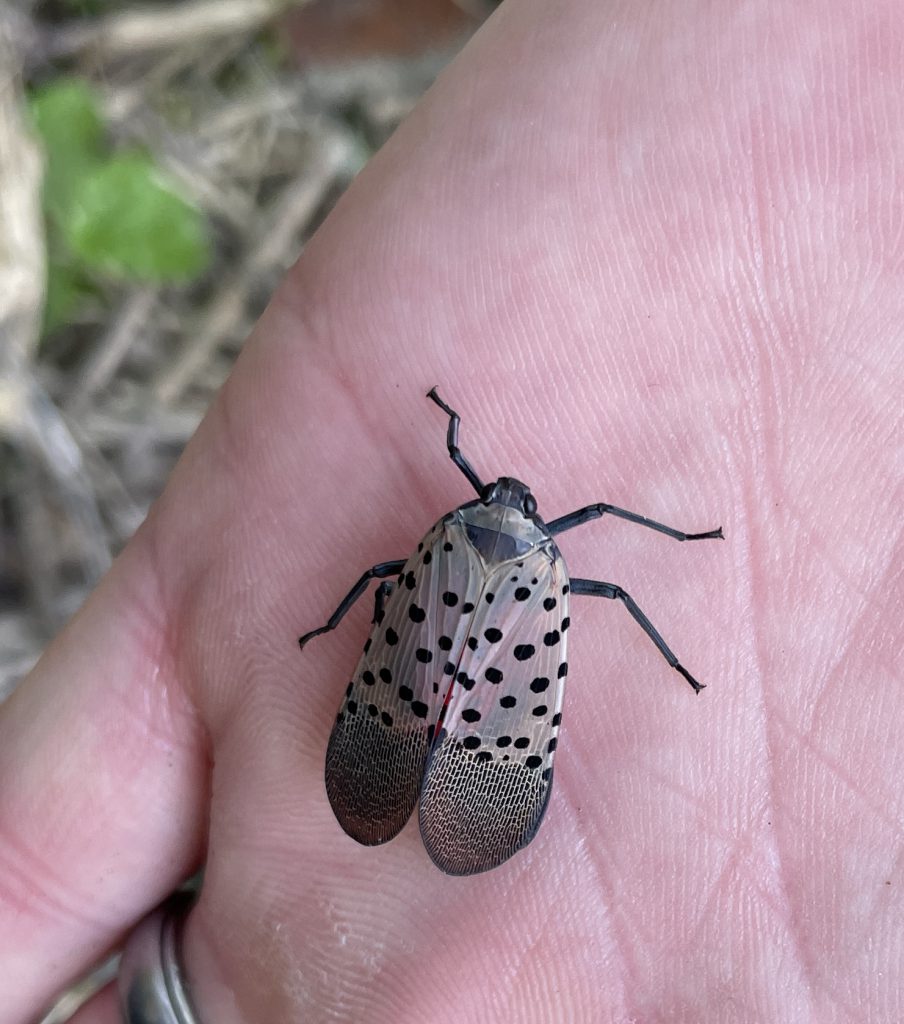
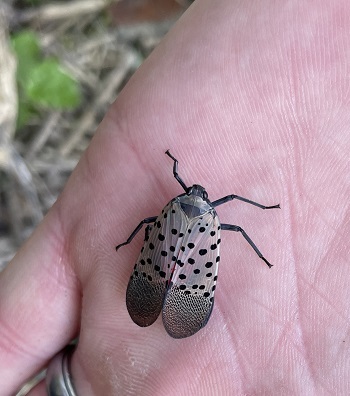 “We’ve heard reports of spotted lanternflies swarming New York City and covering beaches on the Jersey Shore. We’d like to prevent similar scenarios in Michigan,” said Rob Miller, MDARD’s invasive species prevention and response specialist. “Everyone can help by looking for spotted lanternfly and reporting suspected sightings.”The spotted lanternfly spreads to new locations by hitchhiking or laying eggs on vehicles and equipment that have traveled through infested areas. If you are returning from out of state, it’s important to look for and destroy spotted lanternfly insects and egg masses that may be hiding on cars, trailers, firewood, camping gear or anything that’s been outside.The Michigan Invasive Species Program’s new campaign – “See it. Squish it. Report it.” – reminds Michiganders and visitors of the simple steps they can take to prevent new introductions of spotted lanternflies in the state.“If you see a spotted lanternfly, yes, we really do want you to squish it if you can. Then, take a photo or two and report it to us through the online
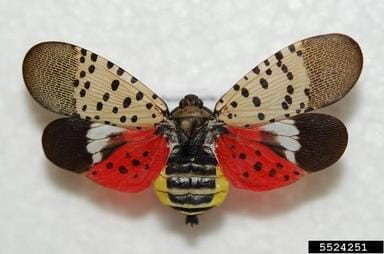
 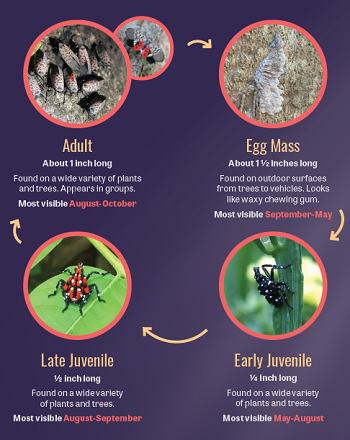 Take a few minutes to become familiar with spotted lanternfly life stages.Adults are roughly 1 inch long. Their folded wings are gray to brown with black spots. Open wings reveal a yellow and black abdomen and bright red hind wings with black spots, transitioning to black and white bands at the edge. Most visible August through October.Egg masses resemble old chewing gum, with a gray, waxy, putty-like coating. Hatched eggs appear as brownish, seed-like deposits. Most visible September through May.Nymphs are about 1/4 inch to 1/2 inch long. They are wingless and beetle-like, first appearing black with white spots and developing red patches as they mature. Most visible May through September.Be aware of look-alikesPublic reports to Eyes in the Field have helped identify some insects commonly mistaken for the spotted lanternfly.Several native moth species have red underwings, but their upper wings are striped or mottled.Some insects have spotted wings that are translucent or differ in color from spotted lanternfly adults.Common insects including boxelder bugs and red milkweed beetles have similar colors and patterns as spotted lanternfly nymphs, but their shapes are distinct.To better identify spotted lanternfly life stages and rule out look-alikes,


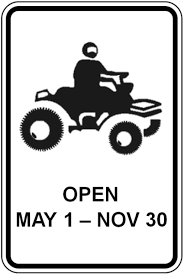
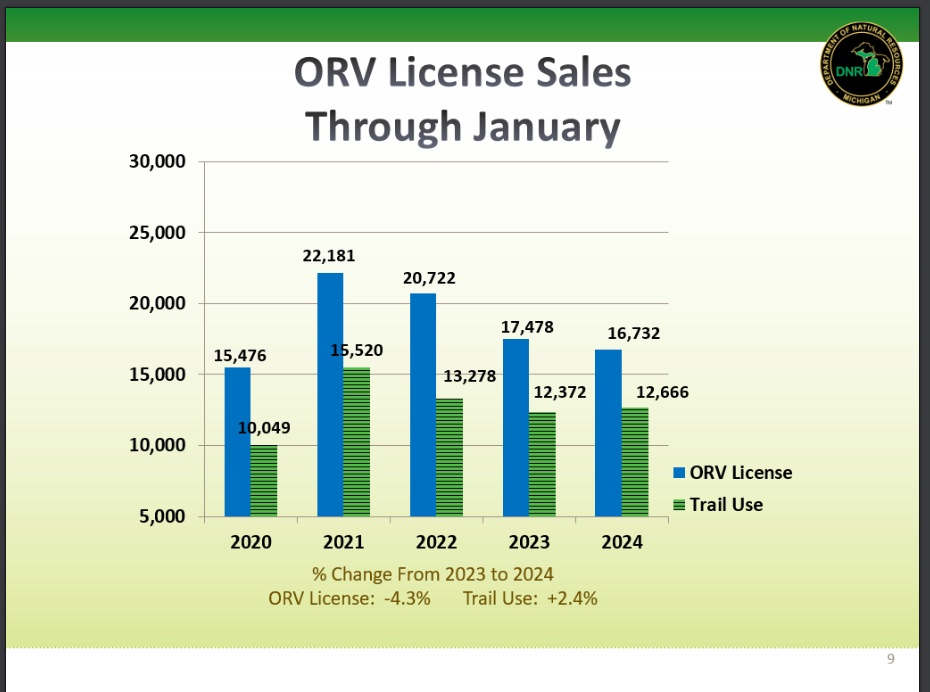
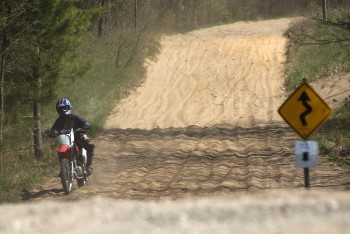 A friendly reminder to off-road vehicle operators to keep it safe while riding this holiday weekend and into the colder seasons.“Conservation officers see an increase in riders during holidays and on the weekends. Please keep the extra traffic in mind when you’re taking a turn and going over a hill,” said the DNR’s Cpl. Mike Hearn. “ORV accidents often happen when people get caught up in the moment of riding and keep increasing their speed, aren’t familiar with the terrain or their machines capabilities, or take a turn, hill or jump too fast without knowing what’s on the other side.”Speed and rider inexperience are the primary contributing factors for ORV accidents, serious injuries and death. Make sure to