The OC trail off of FH16 had a feller buncher staged and is signed for active logging
PLEASE BE AWARE OF THIS LOCATION AND RIDE WITH CAUTION!
The OC trail off of FH16 had a feller buncher staged and is signed for active logging
PLEASE BE AWARE OF THIS LOCATION AND RIDE WITH CAUTION!
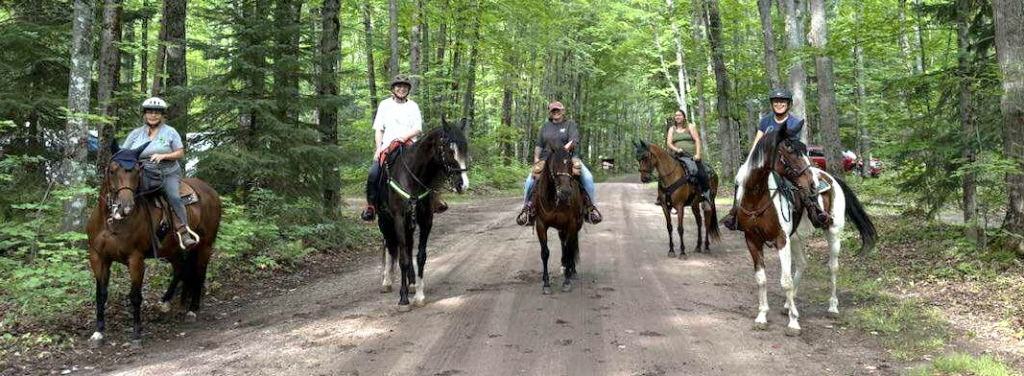
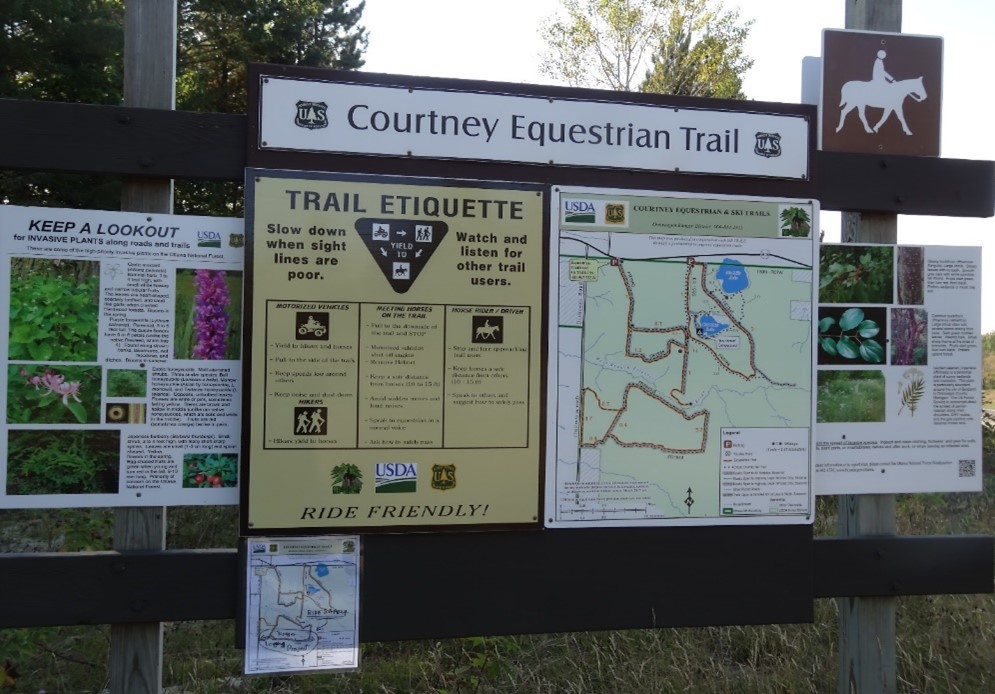
The MI-TRALEs “Camp and Ride 2025 ” at the Courtney Lake Campground and Trails in Mass City, Michigan, is in the books. The invitation for equestrians to gather on Saturday August 9th was sent far and wide. It was a very soggy weekend, but some equestrians just don’t give in.
Five horses and five riders came on Friday expecting an evening ride and for others to join them on Saturday. Three more horses joined us on Saturday during a brief break in the weather and one gal got a quick ride in. Another rider joined us on Sunday morning for a nice ride. At our event, there was a total of 7 riders, 9 horses, and 8 visitors. Two other riders outside our group were out enjoying the trails. One little girl learned how to feed treats to horses and a neighbor from the campsite across the road came to offer apples to the horses.
See the rest of the article on our Equestrian page Updates here: https://mi-trale.org/horse-trails/updates/
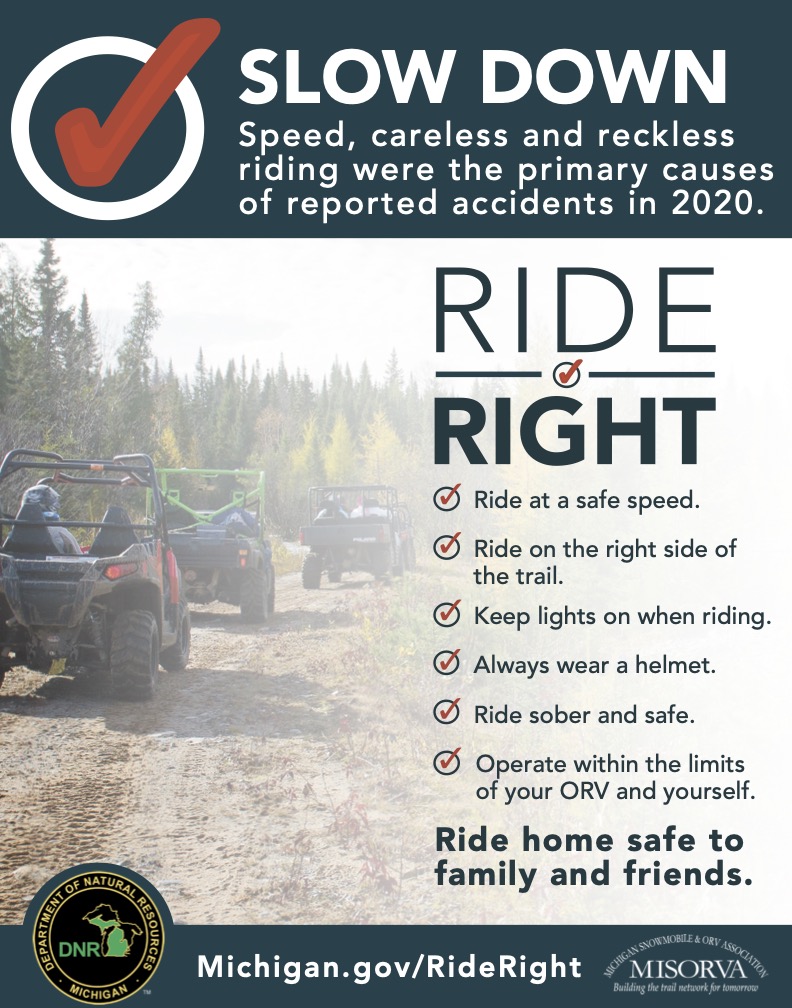
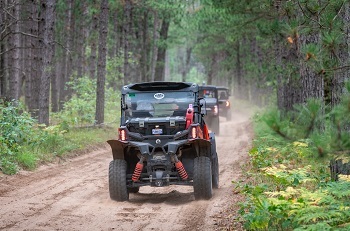 Off-road vehicles are fun year-round, but activity in Michigan tends to increase around the Fourth of July holiday as people head to trails and ORV scramble areas to enjoy world-class riding experiences.Keeping safety in mind is vital on any ride, for you and others. According to 2023 statewide ORV crash data, 93% of ORV fatalities could have been prevented. These crashes and injuries primarily were due to excessive speed and a lack of helmet/seat belt use. Parents are reminded, too, that they must have visual supervision of all children under the age of 16 when those children are operating an ORV.“Always ride within your and the machine’s capabilities,” said Cpl. Mike Hearn, DNR law enforcement ORV and snowmobile specialist. “When you ride too fast, you are more likely to lose control when hitting even the smallest bump or trying to make turns or stop.”All ORV operators are urged to “Ride Right” and keep other important guidance in mind:Ride at a safe speed.Ride sober.Ride on the right side of the trail.Keep lights on when riding.Always wear a helmet.Please keep in mind that about 60% of motorized and nonmotorized DNR-managed trails in northern Michigan remain temporarily closed due to effects of the March 28-30 ice storm. For status updates on state-managed facilities, trails and forest roads, refer to the map and dashboard on the DNR’s ice storm response page.Additionally, ORV operators who are transporting children should refer to the ORV manufacturer owner’s manual regarding use of car seats or boosters. Off-road vehicles are fun year-round, but activity in Michigan tends to increase around the Fourth of July holiday as people head to trails and ORV scramble areas to enjoy world-class riding experiences.Keeping safety in mind is vital on any ride, for you and others. According to 2023 statewide ORV crash data, 93% of ORV fatalities could have been prevented. These crashes and injuries primarily were due to excessive speed and a lack of helmet/seat belt use. Parents are reminded, too, that they must have visual supervision of all children under the age of 16 when those children are operating an ORV.“Always ride within your and the machine’s capabilities,” said Cpl. Mike Hearn, DNR law enforcement ORV and snowmobile specialist. “When you ride too fast, you are more likely to lose control when hitting even the smallest bump or trying to make turns or stop.”All ORV operators are urged to “Ride Right” and keep other important guidance in mind:Ride at a safe speed.Ride sober.Ride on the right side of the trail.Keep lights on when riding.Always wear a helmet.Please keep in mind that about 60% of motorized and nonmotorized DNR-managed trails in northern Michigan remain temporarily closed due to effects of the March 28-30 ice storm. For status updates on state-managed facilities, trails and forest roads, refer to the map and dashboard on the DNR’s ice storm response page.Additionally, ORV operators who are transporting children should refer to the ORV manufacturer owner’s manual regarding use of car seats or boosters. |
Do your part to ensure everyone returns home safely; read more about ORV safety at Michigan.gov/RideRight.
For more on where to ride and ORV laws in Michigan, visit Michigan.gov/ORVInfo.
Questions? Email Cpl. Mike Hearn at HearnM@Michigan.gov.
Michigan Department of Natural Resources sent this bulletin at 05/22/2025 09:54 AM EDT
Share or view as webpage | Update preferences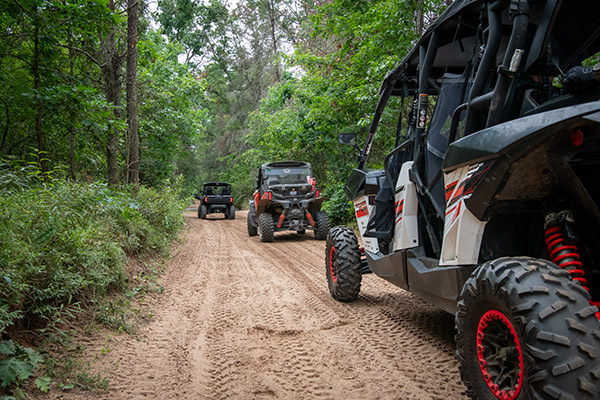 Be aware, ‘Ride Right’ for safe, responsible, off-road funAs off-road vehicle riding ramps up during Memorial Day weekend and throughout summer, it’s vital to keep safety top of mind. And following the massive March 28-30 ice storm in northern Michigan – a popular spot for ORV riding – it’s critical to “know before you go” when visiting the 12 affected counties.Please know that northern Michigan’s landscape may look different with more open spaces, damaged trees and natural debris.Storm-related closuresPlease respect all nonmotorized and motorized trail closures. If you’re visiting a reopened trail, stay on the trail corridor itself due to potential hazards in the surrounding forest, including numerous leaning trees and hanging tree limbs.Visit the ice storm response dashboard with the latest status (open, partially open, temporarily closed) of state parks, state-managed trails, boating access sites and state forest campgrounds. Find an interactive map, safety updates and more on the DNR’s ice storm response page.Ride RightAccording to 2023 statewide ORV crash data, 93% of ORV fatalities could have been prevented. These crashes and injuries were the result of excessive speed and a lack of helmet/seat belt use. Be aware, ‘Ride Right’ for safe, responsible, off-road funAs off-road vehicle riding ramps up during Memorial Day weekend and throughout summer, it’s vital to keep safety top of mind. And following the massive March 28-30 ice storm in northern Michigan – a popular spot for ORV riding – it’s critical to “know before you go” when visiting the 12 affected counties.Please know that northern Michigan’s landscape may look different with more open spaces, damaged trees and natural debris.Storm-related closuresPlease respect all nonmotorized and motorized trail closures. If you’re visiting a reopened trail, stay on the trail corridor itself due to potential hazards in the surrounding forest, including numerous leaning trees and hanging tree limbs.Visit the ice storm response dashboard with the latest status (open, partially open, temporarily closed) of state parks, state-managed trails, boating access sites and state forest campgrounds. Find an interactive map, safety updates and more on the DNR’s ice storm response page.Ride RightAccording to 2023 statewide ORV crash data, 93% of ORV fatalities could have been prevented. These crashes and injuries were the result of excessive speed and a lack of helmet/seat belt use. All ORV operators are urged to “Ride Right” and keep this important guidance in mind:Ride at a safe speed.Ride sober.Ride on the right side of the trail.Keep lights on when riding.Always wear a helmet.Do your part to ensure everyone returns home safely; read more about ORV safety at Michigan.gov/RideRight. For more on state ORV laws and where to ride, visit Michigan.gov/ORVInfo.Following a severe ice storm in northern Michigan, the Department of Natural Resources is assessing damage and conducting cleanup at several state parks, state park campgrounds, state forest campgrounds, boating access sites and state-managed trails. Find up-to-date information about closures, volunteer opportunities and more on the DNR storm recovery page. All ORV operators are urged to “Ride Right” and keep this important guidance in mind:Ride at a safe speed.Ride sober.Ride on the right side of the trail.Keep lights on when riding.Always wear a helmet.Do your part to ensure everyone returns home safely; read more about ORV safety at Michigan.gov/RideRight. For more on state ORV laws and where to ride, visit Michigan.gov/ORVInfo.Following a severe ice storm in northern Michigan, the Department of Natural Resources is assessing damage and conducting cleanup at several state parks, state park campgrounds, state forest campgrounds, boating access sites and state-managed trails. Find up-to-date information about closures, volunteer opportunities and more on the DNR storm recovery page. |
Everyone~~
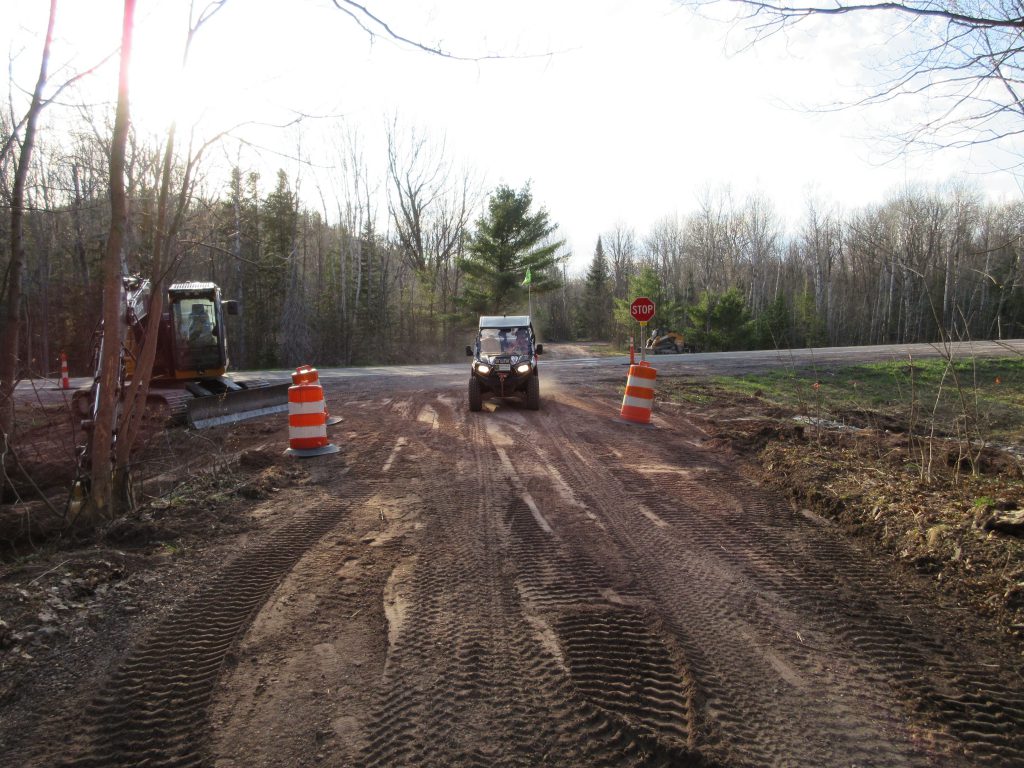
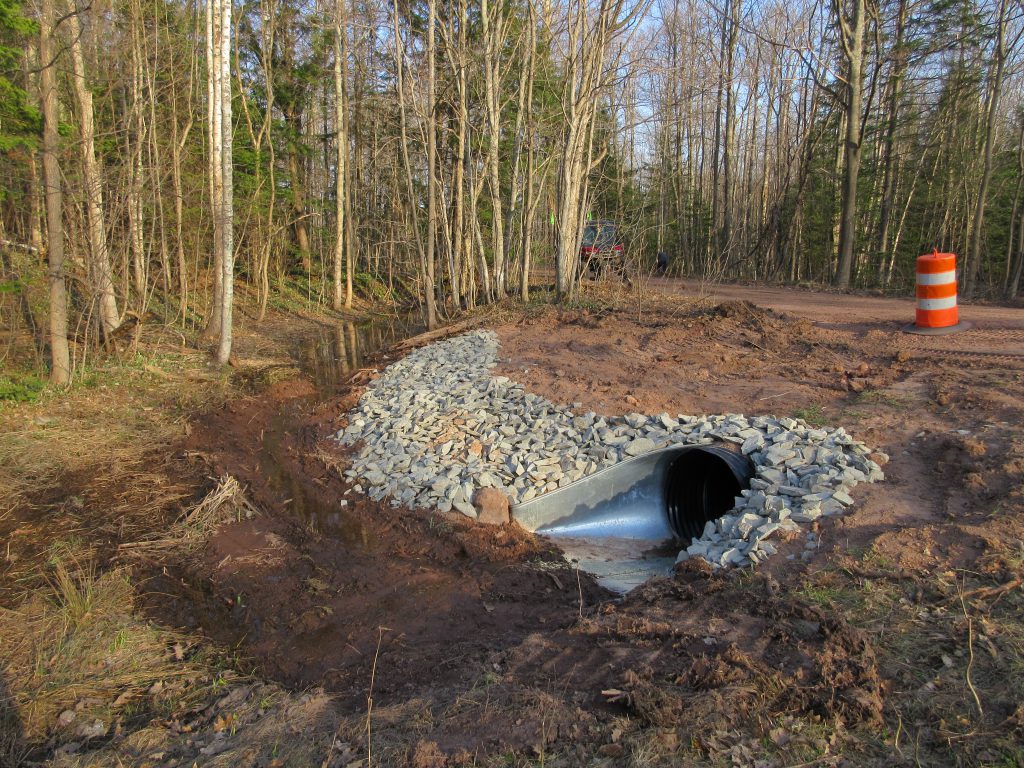
We have good news to share!The closure we had announced on Thursday April 24th, 2025 for the Bill Nicholls (BN) Route at the intersection of M26 in Mass City, due to a culvert washout, has been lifted!
The DNR work crew completed the repair of the culvert washout and congruent trail today, Wednesday May 7th, 2025. They did a great job. The area looks wonderful. (See the pictures below of the finished work.)
PLEASE NOTE:
The section of the BN trail between M26 and Adventure Mine is still closed due to a heavy ice build-up on the bridge there. Hopefully the warmer weather we are due to have this week will take care of that! We will keep you posted.
Hello Eveyone!!!
The closure on the Bill Nicholls (BN) Route at the Misery River Bridge in Twin Lakes has been removed as of May 4th, 2025!
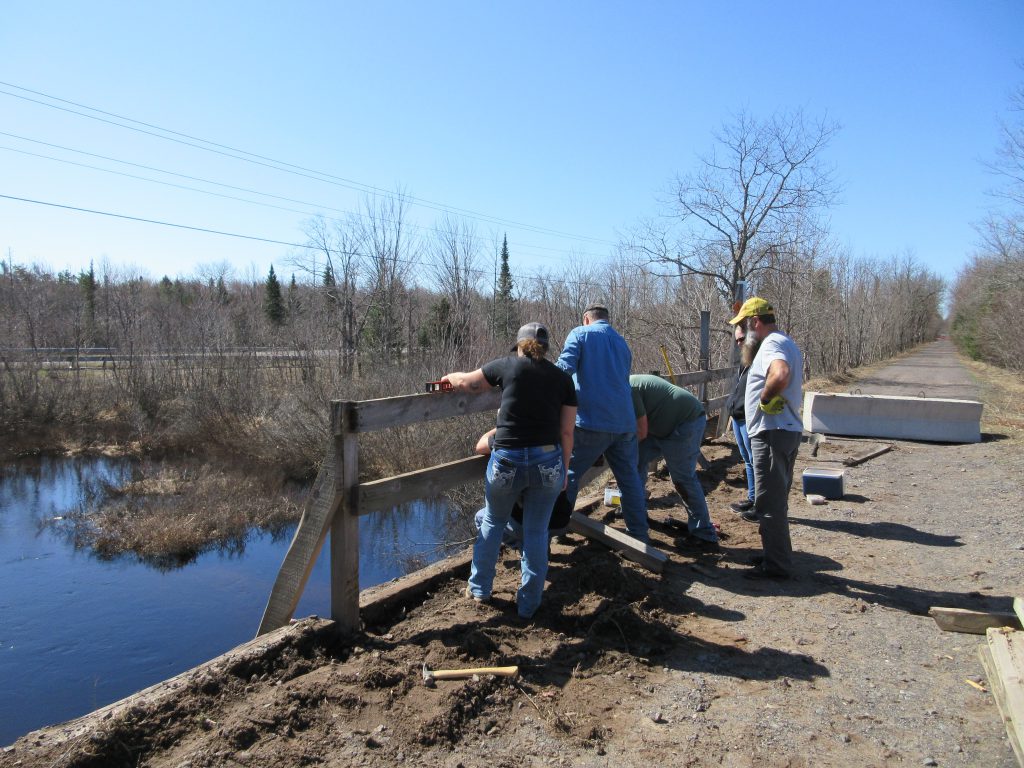
This is thanks to the combined efforts of MI-TRALEs and the Superior Snowmobile Club’s volunteers.
The bridge received these temporary repairs today to put an end to the inconvenience of the closure. The route is now open for use. Final repairs will be completed in the future.
President Don Helsel of MI-TRALE stated, “I would like to extend my sincere thanks to the volunteers from both the Superior Snowmobile Club and MI-TRALE for making this repair happen! It’s great to see what can be accomplished when proactive groups work together. Please become a member of these clubs! And remember to always ride right and ride safe.”
To follow are some pictures of the temporary fix work in progress and the completed repair of the Misery River Bridge:
Beginning of Repair
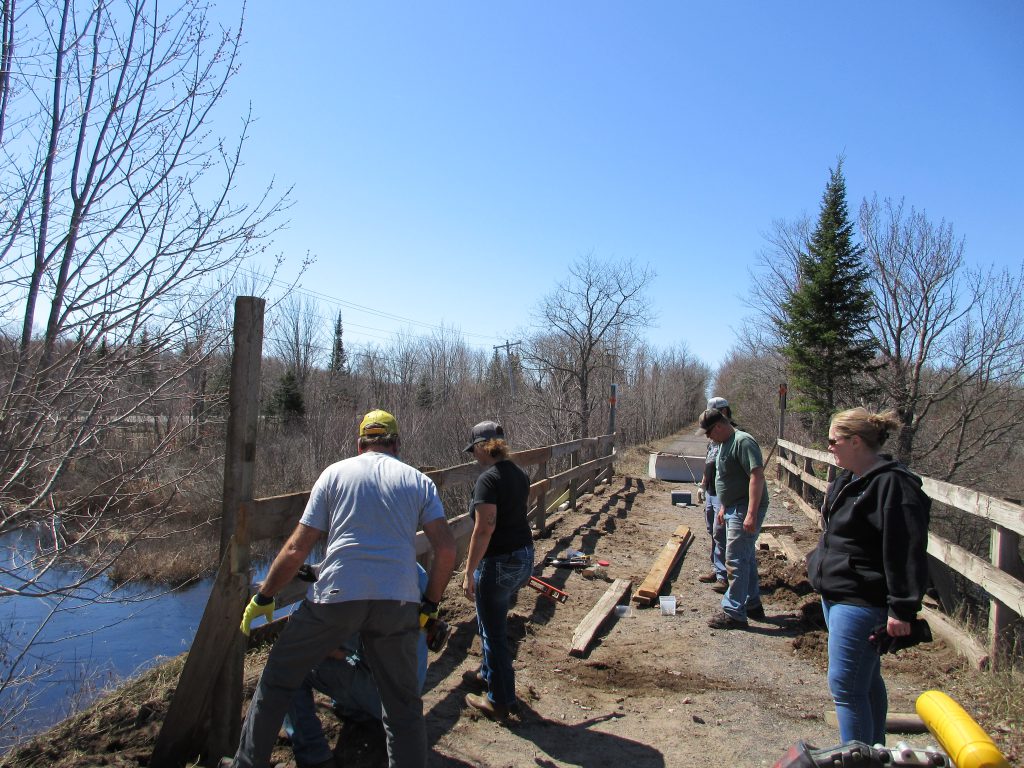
Workin on the Repair
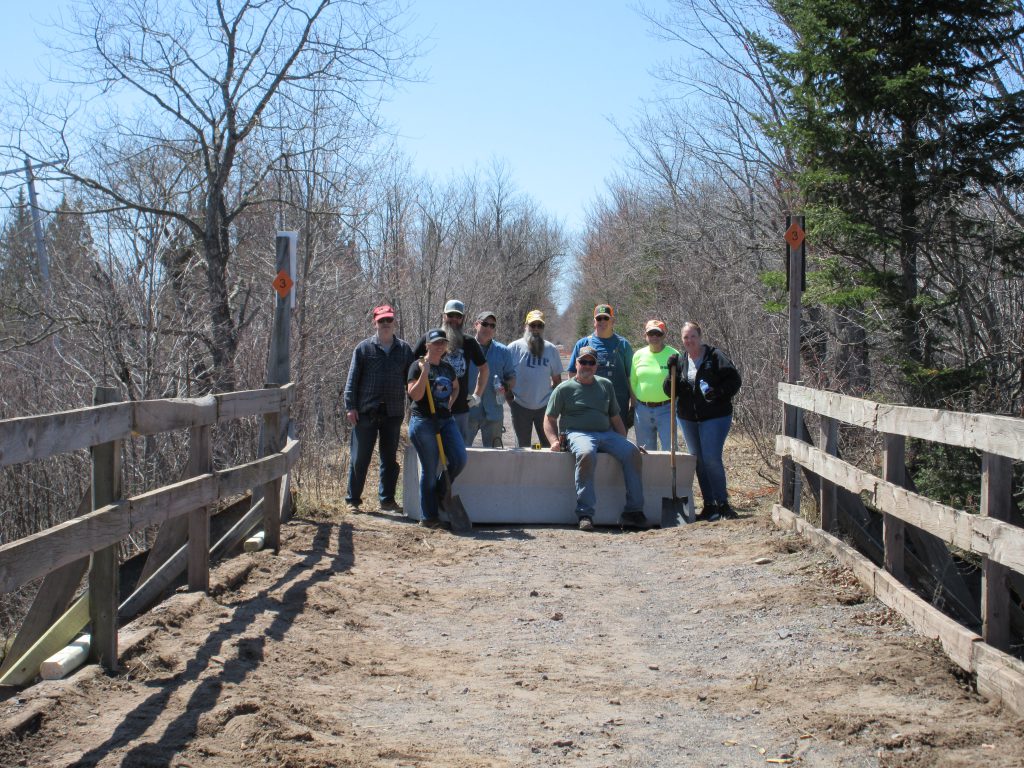
Finished- THANK-YOU for your PATIENCE
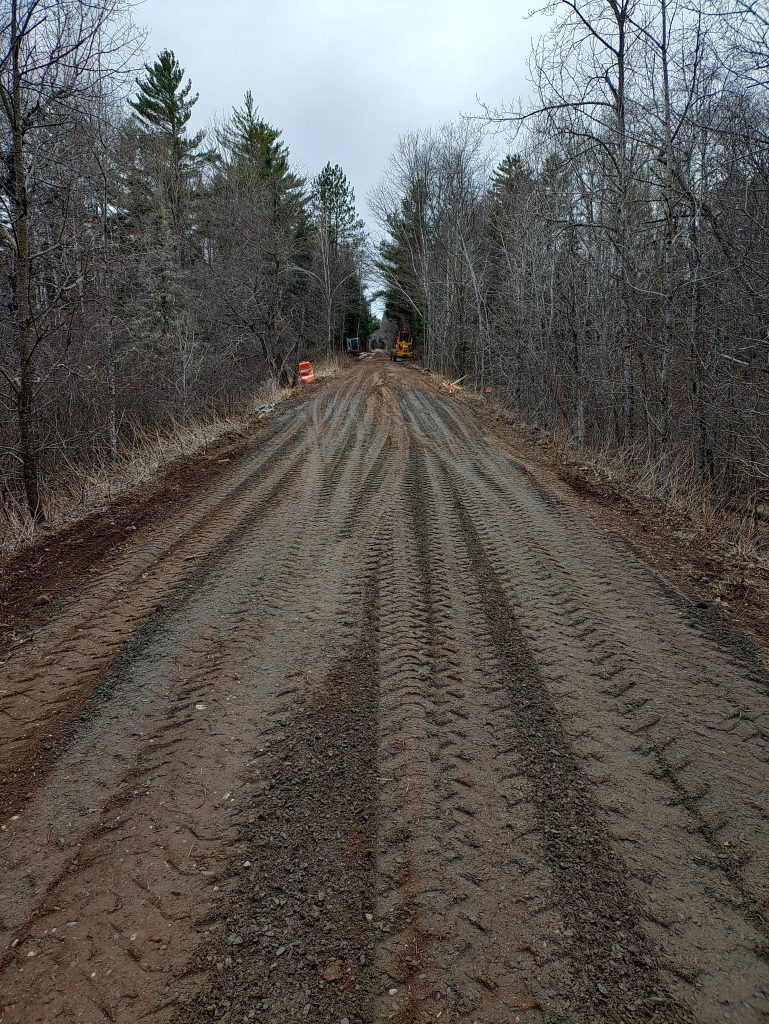
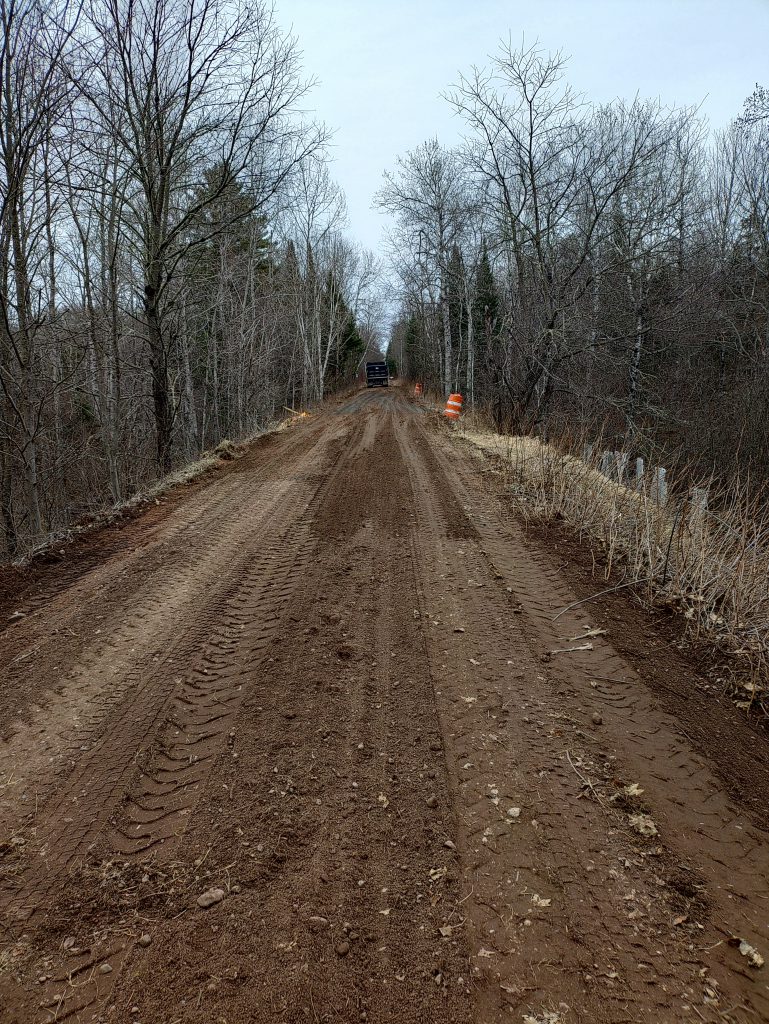
Good news to report here! Chris Kooyers is finished with the repair to the SB route. He has also put down a little more gravel.
The trail is open for use now!
HERE ARE A COUPLE OF PICTURES OF THE ALMOST COMPLETED REPAIR
Over the past few years, MI-TRALE has been working with the Ottawa National Forest Service on specific plans for improvements at the Courtney Recreation Area in Mass City, Michigan.
To effect the latest of these improvements-Campsites #2,3,4 & 6 will be closed from Saturday, August 3rd to Tuesday, August 6th.
Check out the HORSE TRAILS tab, Updates option, here on the website, for full details on this improvement, as well as future updates.
MISERY BAY LAKE SUPERIOR HORSE RIDING
An opportunity for horseback riding along the Lake Superior Shoreline is happening! The sands are, once again, plentiful and safe for you and your mount to enjoy. The beauty and force of a vast lake that meets the great expanse of the sky is something you will surely want to experience~~We promise! Check out the HORSE TRAILS tab, Maps/Trails option and scroll down a little. You will find directions on how to get to this beautiful location.
~~Your MI-TRALE Equestrian Committee